

Thinking About a Multiplex Home in Burnaby? What Buyers Should Know
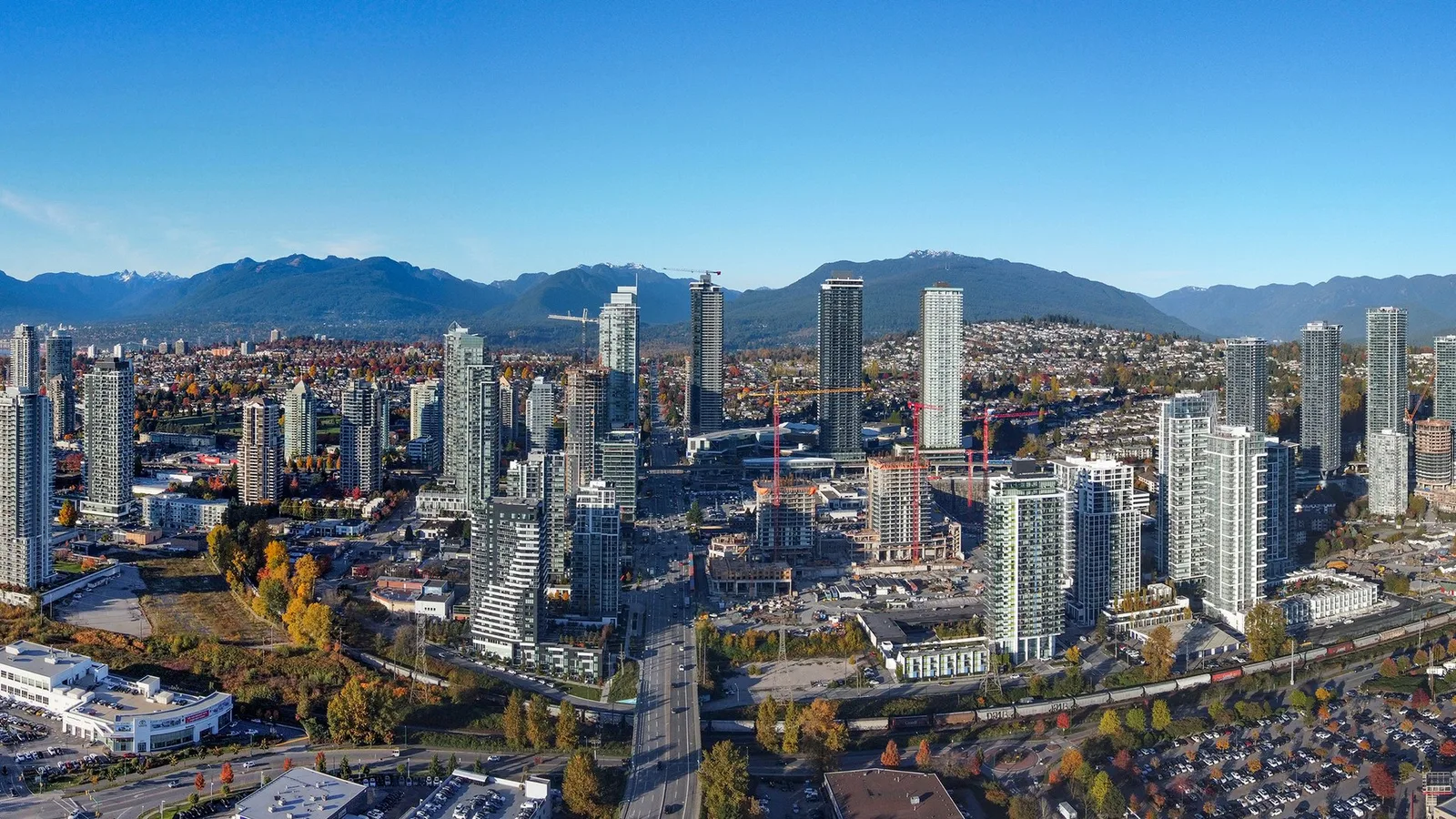
For a long time, buying a home in Greater Vancouver came down to a hard choice. You either stretched your budget to the limit for a detached house, settled for a condo that felt too small for a growing family, or moved farther out than you wanted to be. But over the last few years, a different kind of home has been quietly changing the math for families across Burnaby, Vancouver, and the surrounding communities: the multiplex.
If you have heard the words duplex, triplex, or fourplex and weren't quite sure what they meant for you as a buyer, this guide is for you. We'll walk through what these homes actually are, why so many families are choosing them, what to look for when you tour one, and where to find the newest options on the market.
What exactly is a multiplex home?
A multiplex is one building divided into a small number of separate homes , usually two, three, or four. You'll hear them described by how many homes they contain:
- Duplex, two separate homes in one building.
- Triplex, three separate homes.
- Fourplex, four separate homes.
The important thing to understand is that each home inside a multiplex is self-contained. Every unit has its own front door, its own kitchen, its own bathrooms, and its own living space. From the inside, living in one feels much like living in a townhouse or a small house. What makes it different is the building it sits in and the way families are using it.
Why families across Greater Vancouver are choosing them
The rise of the multiplex is not about buildings. It's about the way modern families want to live, and the reality of what homes cost in this region. A few clear reasons keep coming up when buyers explain why they made the switch.
You get more home for your money
A brand-new multiplex home almost always costs less than a detached house in the same neighbourhood. Because the land underneath is shared across a few homes rather than carried by one, the price of getting into a desirable area drops significantly. For many families, that's the difference between living where they actually want to be and being priced out of it entirely.
Two generations can live close, without living on top of each other
This is the big one. More and more families are pooling their resources , parents and adult children, or two siblings and their families, to buy a home together. A multiplex is built for exactly this. Grandparents can have their own home in one unit while the younger family has theirs next door. Everyone stays close enough to share meals, childcare, and daily life, but each household keeps its own front door, its own kitchen, and its own privacy. It's togetherness without the friction of all sharing one space.
You can live in a nicer neighbourhood than you thought possible
Because the cost of entry is lower, multiplex homes often put buyers into established, walkable neighbourhoods that would be far out of reach as a detached purchase. We're talking about areas close to good schools, parks, transit, and shops, the kind of location that makes daily life easier and tends to hold its value well over time.
Why brand-new multiplex homes are worth a closer look
A lot of the multiplex homes coming onto the market right now are brand new. That matters for a few practical reasons that make life easier in the years after you move in.
- Modern layouts designed around how families actually live today, open kitchens, flexible rooms, and better use of natural light.
- Lower maintenance because everything is new. You're not inheriting an aging roof, old plumbing, or a furnace on its last legs.
- Warranty coverage on new construction in British Columbia, which gives you protection and peace of mind that an older resale home simply doesn't offer.
- Energy efficiency that newer homes are built to, which can mean lower monthly bills.
For a buyer, a new multiplex often hits a sweet spot: the space and independence of a house, the price of something smaller, and the low-worry ownership of a brand-new build.
What to look for when you tour a multiplex
Touring a multiplex is a little different from viewing a standard house, because you're evaluating how a few homes share one building. Here are the things worth paying close attention to.
How the homes are arranged
Are the units side by side, or stacked one above another? Side-by-side homes usually feel the most like a traditional house and give each family its own ground-floor entrance. Stacked homes can still be excellent, but you'll want to picture how stairs and entrances work for the people who will actually live there, especially if grandparents are part of the plan.
Bedrooms, bathrooms, and the daily flow
Think about who is living in each home and whether the layout fits them. A family with young kids has different needs than a retired couple. Look at whether bedrooms are sensibly placed, whether there are enough bathrooms, and whether the main living spaces feel comfortable rather than cramped.
Parking and storage
Parking is one of the most overlooked details. Find out how many spots come with each home and where they are. The same goes for storage , closets, a place for bikes and strollers, somewhere to put seasonal items. These small things make a big difference once you're living there.
Outdoor space and privacy
Even in a shared building, good multiplex homes give each household some outdoor space of its own, a patio, a small yard, or a balcony. Notice how private that space feels, and how much separation there is between the homes. A thoughtfully designed multiplex feels like your own place, not like an apartment.
How a multiplex compares to a condo or townhouse
Buyers often ask how a multiplex stacks up against the other options in their price range. Here's the simple way to think about it.
- Versus a condo: A multiplex home usually gives you more space, your own entrance, and often some private outdoor area, closer to house living than apartment living.
- Versus a townhouse: The two can feel similar, but a multiplex is often part of a much smaller building with only a few neighbours, and it's frequently the route families use to buy together as two households.
- Versus a detached house: You give up sole ownership of the whole lot, but you gain a far lower price of entry into the same neighbourhood , and, for many, the ability to keep family close.
Is a multiplex right for you?
A multiplex home tends to be a great fit if any of these sound like you:
- You want to buy with family, parents, adult children, or siblings, and keep everyone close while staying independent.
- You love a particular neighbourhood but a detached house there is out of reach.
- You want the feel of a house without the price tag or the upkeep of a full detached property.
- You'd rather buy something brand new than take on an older home that needs work.
If none of those describe you, that's useful to know too, the right home is the one that fits your life, and part of our job is helping you figure out honestly whether this is it.
Where to find brand-new multiplex homes
Because multiplex homes still make up a small share of the market, they can be hard to find through a general property search. If you're focused specifically on brand-new duplexes, triplexes, and fourplexes, it helps to start with a source built around them. You can browse current options on MultiLiving.ca, a marketplace dedicated to multiplex homes across Burnaby and Vancouver, with neighbourhood details and pricing to help you compare.
Let's talk it through
Buying a home, especially one you may be sharing with family, is a big decision, and you shouldn't have to figure it out alone. If you're curious whether a multiplex makes sense for your family, or you just want to understand your options in Burnaby and Vancouver, we're always glad to talk. There's no pressure and no jargon, just straight, honest answers to help you make a confident choice. Reach out any time, and let's find the home that fits the way you want to live.
Plan your next step
Use the home-buying guide to organise your search. Prepare your property questions, check the actual neighbourhood routes, and keep evidence separate from preferences when comparing homes.