
Grandview-Woodland Multiplex Guide: Buying Near Commercial Drive
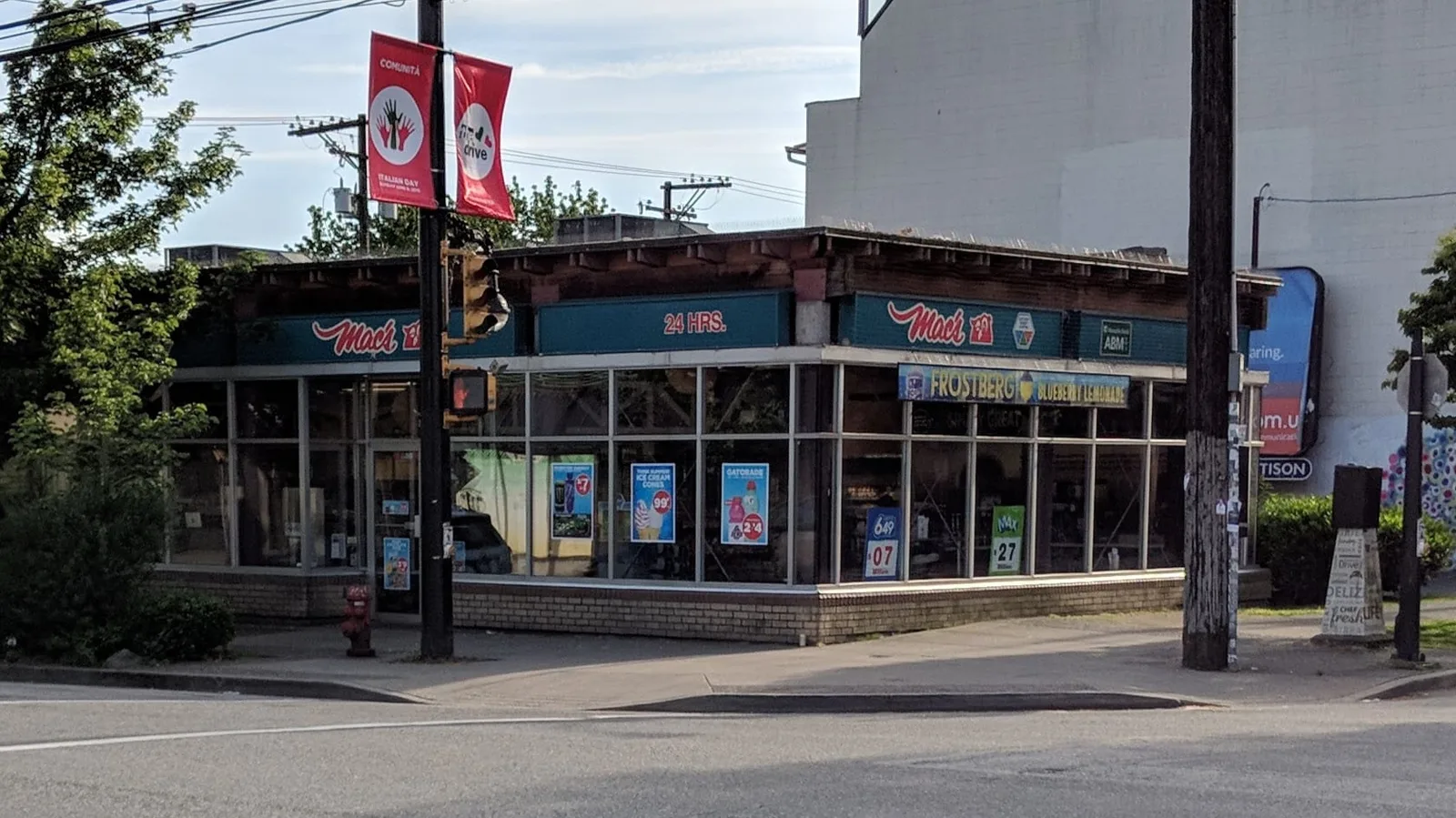
Commercial Drive is the most full-of-life street in East Vancouver , independent cafés, produce markets, patios that spill onto the sidewalk, and a community that actually knows its neighbours. The neighbourhood around it, Grandview-Woodland, pairs that street-level energy with some of the strongest transit access on the East Side and a active multiplex market.
Which rules actually apply here
Two separate things get mixed together in conversation about multiplexes, and getting them the right way round matters when you are assessing a lot.
Vancouver's multiplex rules come from the city's own R1-1 Residential Inclusive zone, which took effect on October 17, 2023 after a public hearing that September. It consolidated nine low-density RS zones into one and made multiplex a permitted form.
The province's Bill 44 small-scale multi-unit housing legislation is a separate instrument. It required local governments across British Columbia to update their zoning bylaws by June 30, 2024, setting minimums of three to four dwelling units, or six units near bus stops with frequent transit service, depending on location.
Vancouver moved first under its own bylaw. So for a Grandview-Woodland lot, the document that governs what can be built is the R1-1 district schedule, and that is what a zoning search will tell you about.
What R1-1 permits, in numbers
Under R1-1, a multiplex of three to six strata ownership units, or up to eight secured rental units, is permitted outright on a qualifying lot. Permitted outright means a development permit rather than a rezoning and a public hearing, which removes the longest and least predictable stage.
The maximum floor space ratio is 1.00: total floor area cannot exceed the lot area. And the number of units a site can hold is tied to its area and its frontage, which is why two lots on the same block can qualify for different counts.
Vancouver began accepting multiplex applications in November 2023. A city memo dated May 29, 2025 reported 370 applications accepted city-wide up to March 31, 2025. Across a city of that size, that is a young form, and in any one neighbourhood the number of completed buildings remains small.
Two buyers, one house
This is the dynamic that defines a Grandview-Woodland search right now, and it explains most of the frustration buyers feel here.
A family buyer looks at a house and values the house: its condition, its layout, whether the basement suite is legal, what the roof will cost. A builder looks at the same property and values the site: how many units the area and frontage permit, what those units would sell for, and what it costs to build them.
On a lot that qualifies for four to six units, those two calculations produce different numbers, and the builder's is frequently the higher one. That is not a market distortion. It is what happens when the permitted use of a property changes.
For a buyer, the practical question is which number you are being asked to pay. Compare the asking price against completed sales of similar houses that did not qualify, and against completed sales of qualifying lots. Where the price sits near the second group, you are paying for development potential, and whether that is reasonable depends entirely on whether the site genuinely qualifies.
- Get a zoning search for the address before agreeing a price
- Confirm the lot's area and frontage against the R1-1 requirements
- Ask whether a character home retention provision or heritage listing applies
- Check completed sales of both kinds of lot, not asking prices
The city's own Grandview-Woodland Community Plan sits behind all of this. It describes how the area is expected to grow over a longer horizon, which is different information from what the zoning permits today. Read it for a block's direction over a decade. Read the zoning search for what can be built next year.
If you are buying a unit rather than a lot
Multiplex ownership units are strata lots, so buying one makes you a member of a strata corporation: bylaws, a budget, a monthly fee, and shared responsibility for the exterior and the systems.
A corporation of four to six owners behaves differently from a 200-unit tower. There is usually no property manager standing between the owners and a decision, and every significant item needs agreement among a handful of people.
One rule makes this concrete. British Columbia requires a depreciation report on a five-year cycle for strata corporations with five or more strata lots, and exempts corporations with four or fewer. A four-unit multiplex is therefore under no obligation to ever produce the document you would normally use to understand thirty years of repair costs.
So ask for what does exist:
- The budget, the fee for the lot, and exactly what the fee covers
- The contingency reserve fund balance, and how the owners arrived at it
- The bylaws, and every set of minutes since the strata was created
- What the owners have agreed about funding future repairs
- Who is responsible for the roof, the exterior and the yard, in writing
What makes "The Drive" different
Commercial Drive remains the centre of the neighbourhood's character: Italian cafés with decades of history behind them, independent shops, produce markets, and a visible arts community. It reads differently from the newer, condo-driven blocks of Mount Pleasant a short distance south.
For transit, check the specific route rather than the neighbourhood's reputation. Walk the actual path to the station you would use, at the hour you would travel, and look up the service level on the bus routes you would depend on. Two properties two blocks from a stop can sit on routes with different frequencies, and that difference is what you live with daily.
Who this suits
- Multiplex buyers and small builders evaluating lots for redevelopment potential under the city's R1-1 zone, on area and frontage rather than on a general assumption about the neighbourhood.
- Buyers who want walkability and transit without giving up neighbourhood character for a newer, more generic commercial strip.
- Long-term holders, given the city's own multi-decade growth plan for the area, this is a neighbourhood actively being planned for change, not one that's finished changing.
What we'd tell you before you write an offer
If you are buying with redevelopment in mind, get a zoning search for the specific address and confirm the lot's area and frontage against the R1-1 requirements before you assume six-unit potential. Check any Community Plan overlay, and check whether a character home retention provision or a heritage listing applies, because Grandview-Woodland holds a large stock of pre-war houses. Lots on the same block do not all qualify the same way, and the difference is worth more than anything else in the purchase.
Plan your next step
Use the home-buying guide to organise your search. Prepare your property questions, check the actual neighbourhood routes, and keep evidence separate from preferences when comparing homes.
Frequently asked questions
Where do Vancouver's multiplex rules actually come from?
From the city's own R1-1 Residential Inclusive zone, which took effect on October 17, 2023 after a September 2023 public hearing. It is often confused with the province's Bill 44 small-scale multi-unit housing rules, which required local governments across British Columbia to update their zoning bylaws by June 30, 2024. Vancouver acted under its own bylaw first, and R1-1 is the instrument that governs a Grandview-Woodland lot.
How many units can a Grandview-Woodland lot hold?
Under R1-1 a multiplex may hold three to six strata ownership units, or up to eight secured rental units. The number any specific lot supports is tied to its area and its frontage, so it varies within a single block. A zoning search for the address is the only reliable answer, and it should be done before a price is agreed rather than afterwards.
What is the floor space limit?
The maximum floor space ratio for a multiplex under R1-1 is 1.00, which means total floor area cannot exceed the area of the lot. Dividing that allowance among four, five or six homes is what produces the compact plans you see in completed buildings. It is also why unit layout matters more than stated square footage when you compare two multiplex units.
Does a multiplex need a rezoning?
No. A multiplex is permitted outright on a qualifying R1-1 site, so the applicant goes to a development permit rather than through a rezoning and a public hearing. That removes a long and uncertain stage from the process. The design guidelines, the floor space limit and the area and frontage tests all still apply, so permitted outright is not the same as automatic.
What does the Grandview-Woodland Community Plan change for a buyer?
It sets the city's longer-term framework for how the area is expected to grow, block by block, which is different information from what the zoning permits today. Read it when you are assessing a specific block's direction over a decade rather than what can be built next year. For a purchase decision, confirm the current zoning for the address first, then read the plan for context.
Why are builders and families competing for the same house here?
Because R1-1 changed what a standard lot can hold, a lot that qualifies for four to six units has a value to a builder based on the homes that could be built, while a family buyer is valuing the house that is standing on it. Those two calculations produce different numbers for the same property, and on a qualifying lot the builder's number is often the higher one.
How do I tell whether a lot is being priced as a house or as a site?
Compare the asking price against completed sales of similar houses nearby that did not qualify for multiplex density, and against completed sales of qualifying lots. Where the price sits closer to the second group, you are being asked to pay for development potential. Whether that is reasonable depends on whether the site genuinely qualifies, which is a zoning search rather than an assumption.
Will a new multiplex unit here come with a depreciation report?
Only if the strata has five or more lots. British Columbia requires a depreciation report on a five-year cycle for corporations of five or more strata lots, and exempts those with four or fewer. A three or four unit multiplex therefore has no obligation to produce one, so ask instead for the budget, the reserve fund balance, the bylaws and every set of minutes since the strata was created.
What should I check about transit access before relying on it?
Check the actual walking route and time to the station you would use, at the hour you would travel, rather than a straight-line distance or a score. Then check the service level on the specific routes you need. A property two blocks from a frequent route and a property two blocks from an infrequent one look identical on a map and produce different daily experiences.
Is a multiplex unit a strata, and what does that mean for me?
Ownership units in a multiplex are strata lots, so buying one makes you a member of a strata corporation with bylaws, a budget, a monthly fee and shared responsibility for the building's exterior and systems. In a corporation of four to six owners there is usually no property manager between the owners and a decision, and every significant item needs agreement among a handful of people.
Sources
- City of Vancouver, Update: R1-1 Residential Inclusive Zone and Multiplex, memo to Mayor and Council, May 29, 2025 (accessed September 17, 2026)
- City of Vancouver, Zoning and Development By-law, R1-1 district schedule (accessed September 17, 2026)
- Province of BC, Small-scale, multi-unit housing (accessed September 17, 2026)
- Province of BC, Strata depreciation report requirements (accessed September 17, 2026)