
Squamish and Brackendale: What the Sea to Sky Commute Actually Costs You
Almost every Squamish buyer I work with started somewhere else. They spent a year looking on the North Shore, watched detached houses clear their budget, and then someone suggested looking north.
The move works for a lot of people. What I want buyers to understand before they write an offer is the road, because that is the part that is hard to undo.
Where Squamish sits
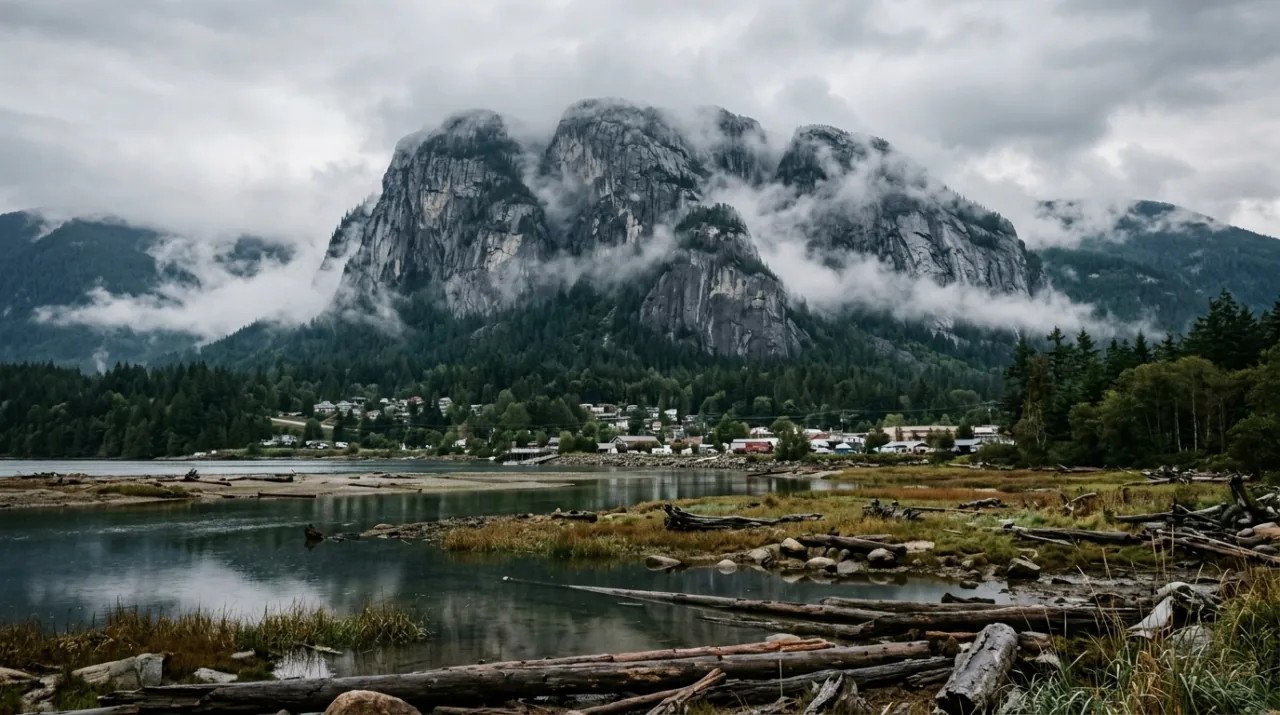
Squamish is a district municipality on Highway 99, the Sea to Sky Highway, between West Vancouver and Whistler. It sits at the head of Howe Sound, where the Squamish River meets the ocean, with the Stawamus Chief rising over the south end of town.
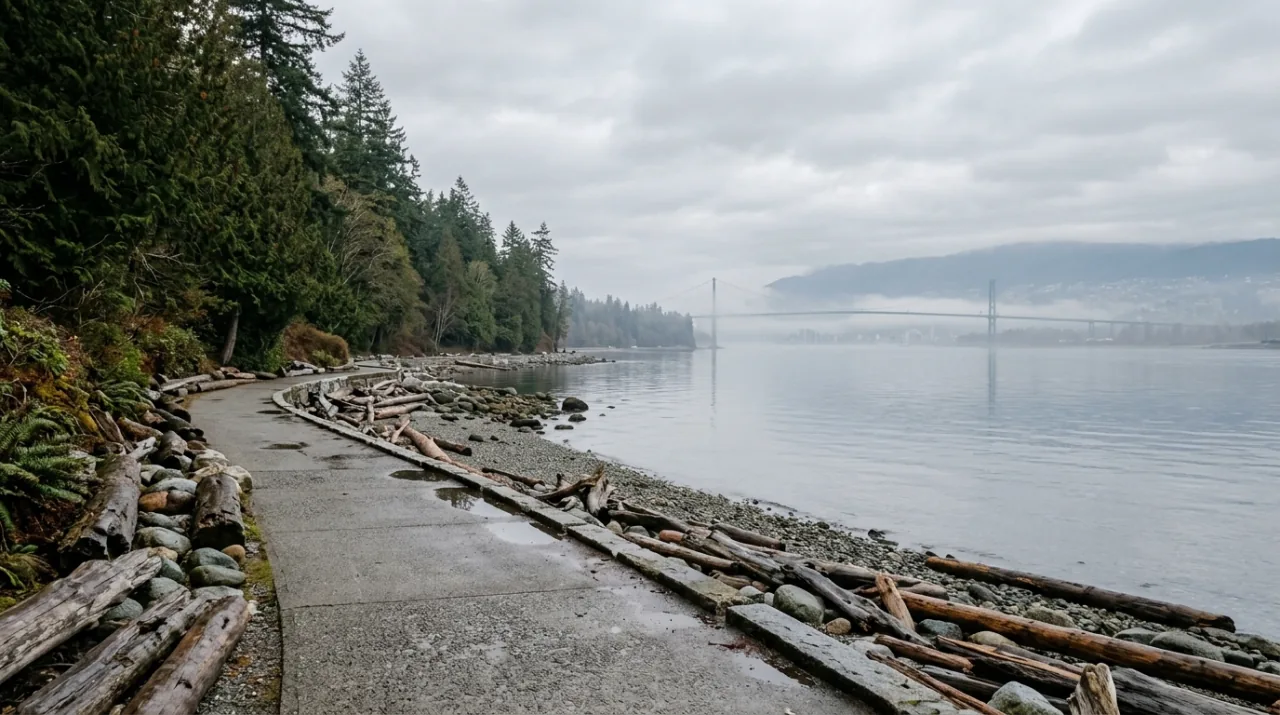
Driving north from Horseshoe Bay, it is the first real town you reach. Whistler is further north again.
The neighbourhoods
Squamish is small enough that the areas are easy to learn, and different enough that picking the wrong one costs you.
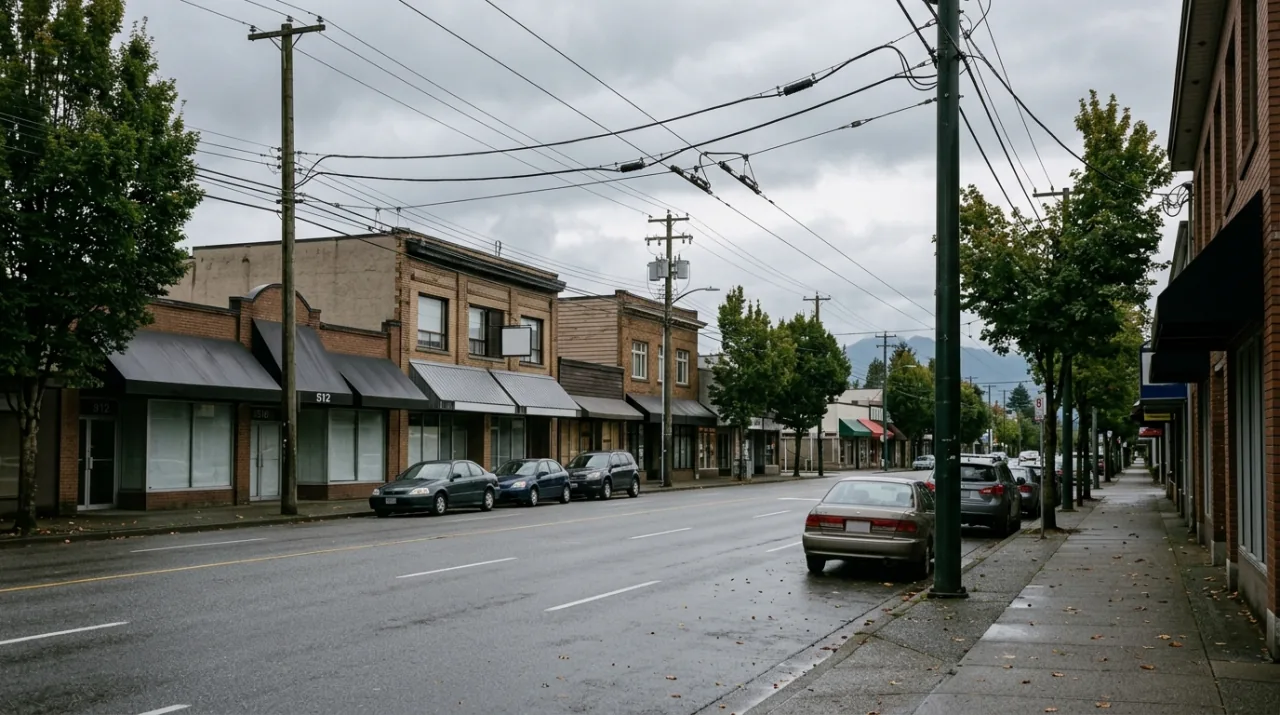
Downtown Squamish. The original commercial core, with older buildings and newer mixed-use construction alongside them. This is the walkable part of town. Restaurants, the library, and the municipal offices are here.
Oceanfront and Waterfront Landing. Master-planned developments on the water near downtown. New construction, mostly attached and apartment forms, built on former industrial land. Buyers get modern housing and a short walk to downtown, and they are buying into a neighbourhood that is still being finished.
Valleycliffe. Established residential south of downtown, under the Chief. Older houses, mature trees, a short drive to the climbing and hiking trails.
Dentville. A small older area near downtown, modest houses on modest lots.
Garibaldi Estates and Garibaldi Highlands. North of downtown, these hold much of the family detached housing. Estates sits lower and flatter. Highlands runs up the slope, which buys views on some streets and a steeper driveway in winter on others.
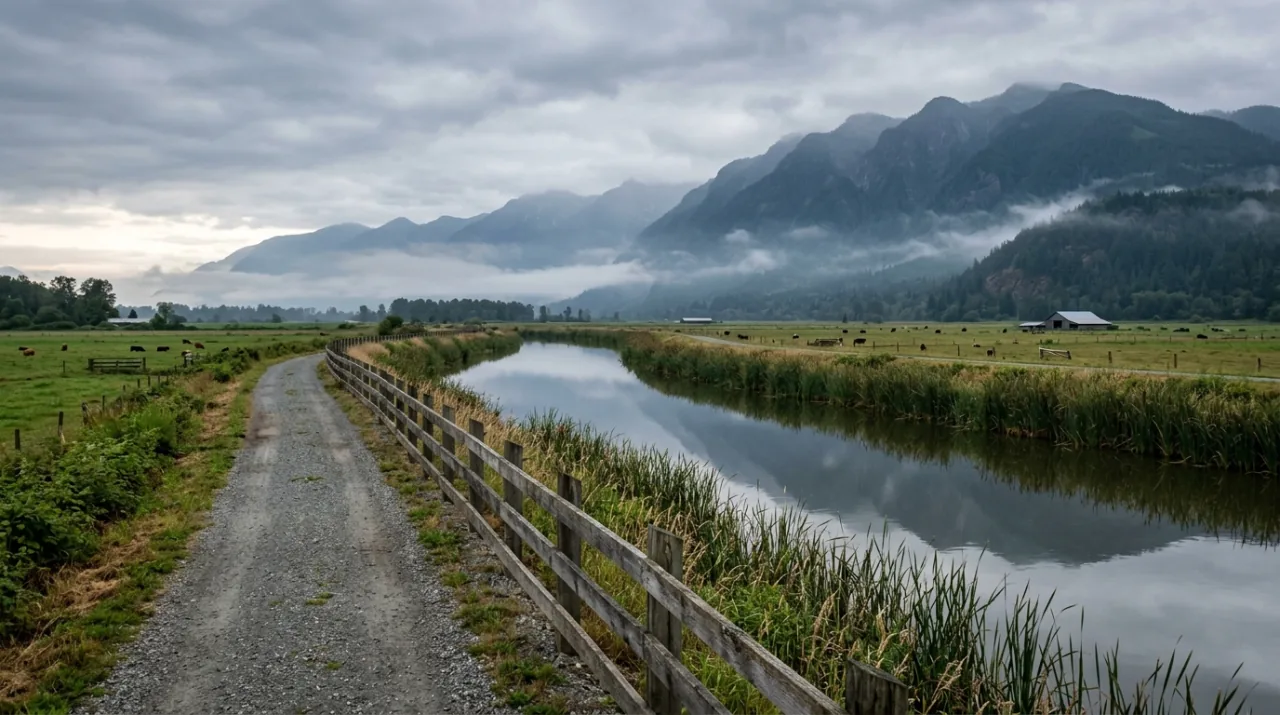
Brackendale. The furthest north of the residential areas, along the Squamish River. Older housing stock, larger lots, and a rural feel that the newer subdivisions do not have. It is also the eagle area, which I will come back to.
Brackendale and the eagles
Brackendale is known well beyond Squamish for its wintering bald eagles.
Chum salmon spawn in the Squamish, Cheakamus and Mamquam rivers, and eagles arrive from across the Pacific Northwest to feed. Brackendale Eagles Provincial Park protects part of that habitat along the river. Volunteers run an annual count each January, and the numbers swing year to year with the salmon runs.
For a buyer, this means two things. The dike trail along the river is one of the best everyday walks in Squamish. And the birds bring visitors in winter, so streets near the viewing areas see traffic in a season when the rest of town is quiet.
Why buyers come from the North Shore
The price relationship is the whole reason this market exists for Vancouver buyers.
A household shopping for a detached house with a yard in West Vancouver or on the North Shore finds the search narrowing every month. Squamish puts that house type back in range. The same budget that bought a townhouse or an older condo in the city buys a detached home with a garage and a yard here.
If you are still comparing against the North Shore, our Ambleside and Dundarave guide and the North Vancouver multiplex guide cover what your budget does on that side of the water.
The commute, stated plainly
This is the part that decides whether Squamish works for you.
There is no rail link. No SkyTrain, no commuter train, no passenger rail of any kind to Vancouver. Intercity buses run the corridor, and private shuttles operate, and those are your options other than your own car.
Drive time varies. I will not give you a number in minutes, because the number is set by the day. Weather, weekend and holiday traffic heading to Whistler, construction seasons, and crashes all move it. Drive it yourself at the hours you would travel, on a Monday morning and on a Friday afternoon, before you decide.
The highway closes. A crash, a rockfall, or heavy snow can stop traffic in both directions, and there is no practical alternate route. You wait for crews to clear it. This is the risk that does not average out: most days are fine, and a closed day is a day you do not reach work or do not reach home.
Winter tires are the law. Winter tires or chains are required on the Sea to Sky Highway from October 1 to March 31, starting north of Horseshoe Bay and marked with regulatory signs. A legal winter tire carries the three-peaked mountain and snowflake symbol or an M+S marking, with at least 3.5 mm of tread. Check the provincial route map each autumn, since dates and boundaries are set by route.
Budget for a second set of tires and the storage of them. Treat that as a fixed cost of living here.
Jobs and remote work
Squamish has a real employment base: tourism and recreation, construction and trades, municipal services, health care, education, and a cluster of small technology and outdoor-industry firms.
It does not employ everyone who moves there. Remote and hybrid work is what opened this market to Metro Vancouver buyers. A three-day-at-home schedule turns a hard commute into a manageable one.
So the first question I ask a buyer now is how firm that arrangement is. If your employer calls everyone back five days a week, the purchase you made on a hybrid assumption becomes a daily drive on Highway 99 in February. Some people are fine with that. Know which one you are before you sign.
Where the town is growing
The District of Squamish sets development direction through its Official Community Plan, which covers land use, housing and growth management and guides council decisions on rezoning and new projects.
Growth has been directed toward the downtown area and the former industrial waterfront lands rather than spread across new suburbs at the edges. That is why the Oceanfront and Waterfront Landing projects exist, and why downtown has been adding apartment and mixed-use buildings.
Read the current OCP and any active sub-area plan for the neighbourhood you are buying in. It tells you what can be built next to you. The same habit applies anywhere, and we walk through it in our neighbourhood checks guide.
Recreation, which is the other half of the decision
People do not move to Squamish only for the price.
The Stawamus Chief is a granite dome with hiking trails to three summits, directly above town. Mountain biking trails run through the valley on both sides, and the network is one of the reasons riders relocate here. Kiteboarding and windsurfing happen at the Squamish Spit, where the valley wind meets the water. Garibaldi Provincial Park is up the highway, with alpine hiking and backcountry terrain.
If you use this stuff weekly, the commute math changes, because you stop driving to it on weekends.
Services, schools, and the honest trade-offs
Health care. Squamish General Hospital serves the Sea to Sky corridor with emergency, general medicine, surgery and maternity services. Specialist care often means an appointment in Vancouver, which puts you back on the highway on someone else's schedule. For families managing an ongoing condition, price that in as travel time.
Schools. Squamish schools fall under School District 48 Sea to Sky, which also covers Whistler and Pemberton. Brackendale has an elementary school, and Don Ross Middle School is in Brackendale as well. Confirm the current catchment for any specific address with the district directly, because boundaries get redrawn.
Wind. The valley funnels it. That is what makes the Spit good for kiteboarding, and it also means exposed sites see it constantly. Visit an address twice, once in calm weather and once when the wind is up.
A smaller resale pool. Fewer buyers shop here than in Metro Vancouver. A standard family house in a good area sells. A home with unusual features, an odd layout, or a difficult site can sit longer than the same property would in the city. Buy with resale in mind, the same discipline covered in comparing homes.
One road. It is worth saying twice, because it is the thing buyers discount when they are standing in a nice kitchen on a sunny Saturday.
Living in Squamish and Brackendale: the key points
- Squamish sits on Highway 99, between West Vancouver and Whistler, with no rail connection to Vancouver.
- Intercity bus and private shuttle are the only alternatives to driving.
- Winter tires or chains are required on the Sea to Sky from October 1 to March 31.
- Brackendale offers older homes on larger lots by the river, with the wintering eagles as its best-known feature.
- Garibaldi Estates and Highlands hold most of the family detached stock, and Downtown and the Oceanfront hold the new construction.
- Remote work is what made this market reachable for Vancouver buyers, so test how durable your arrangement is first.
- Trade-offs to accept: one road out, highway closures, wind, and a smaller resale pool than the city.
- Contact our team to talk through whether the commute fits your situation, or browse listings to see what your budget buys.
Plan your next step
Work through neighbourhood checks before you tour anything, so you arrive knowing the commute times, the wind exposure and the plans for the land nearby. Then use the home-buying guide to set the order of the rest, from financing through to the offer.
Frequently asked questions
Where is Squamish?
Squamish is a district municipality on Highway 99, the Sea to Sky Highway, between West Vancouver and Whistler. It sits at the head of Howe Sound where the Squamish River meets the ocean. Driving north, it is the first town of any size after Horseshoe Bay.
Is there a train or SkyTrain from Squamish to Vancouver?
No. There is no passenger rail service and no SkyTrain line to Squamish, and none is funded or under construction. The connections to Metro Vancouver are Highway 99 by car, intercity bus services running on a fixed daily timetable, and private shuttle operators. Anyone planning a regular commute should assume they are driving it themselves, in their own vehicle, on a highway with no parallel route to fall back on when it closes.
How long does the drive to Vancouver take?
The drive from Brackendale to Vancouver changes with the day, because weather, holiday and weekend traffic toward Whistler, construction and crashes all set the length of the trip. The distance is fixed and the time is not, so this guide gives no single figure. Time the trip yourself at the hours you would actually travel, on a Monday morning and on a Friday, before you commit.
What happens when Highway 99 closes?
You wait. There is no practical alternate route between Squamish and Metro Vancouver, so a crash, a rockfall, or heavy snow can stop traffic in both directions until crews clear it. Closures are not frequent, and when one happens it can consume most of a day. Employers who need you in person on a fixed schedule are the hardest fit for this.
Are winter tires required on the Sea to Sky Highway?
Yes. Winter tires or chains are required on the Sea to Sky Highway from October 1 to March 31, with the requirement starting north of Horseshoe Bay and marked by regulatory signs. A legal winter tire carries the three-peaked mountain and snowflake symbol or an M+S marking, with at least 3.5 mm of tread. Check the provincial route map each year, because posted dates and route boundaries can change.
What is Brackendale known for?
Brackendale is an older residential area at the north end of Squamish, along the Squamish River. It is known for the bald eagles that gather there each winter to feed on spawning salmon, and Brackendale Eagles Provincial Park protects part of that habitat. Lots there tend to be larger and the housing stock older than in the newer subdivisions to the south.
What are the main Squamish neighbourhoods?
Downtown Squamish holds the older commercial core and newer mixed-use buildings. Valleycliffe and Dentville are established residential areas south and central. Garibaldi Estates and Garibaldi Highlands sit north of the downtown and hold much of the family detached housing. Brackendale is furthest north, and the Oceanfront and Waterfront Landing lands are the master-planned developments on the water.
Why do Vancouver buyers move to Squamish?
Price relative to West Vancouver and the North Shore is the usual reason. A buyer looking for a detached house with a yard finds the search on the North Shore keeps clearing their budget, and Squamish puts that type of home back in range. Recreation access is the second reason, and for many families it is what makes the commute acceptable.
Can I work in Squamish rather than commute?
Squamish has its own employment base in tourism and recreation, construction, municipal and health services, education, and a cluster of small technology and outdoor-industry businesses. It does not absorb everyone who moves there. Remote and hybrid work is what opened this market to Metro Vancouver buyers, so confirm your own arrangement is durable before you buy on the assumption of it.
What are the drawbacks of buying in Squamish?
One road in and out, so highway closures affect everything. Wind, because the valley funnels it and some sites are exposed. Specialist medical care usually means a trip to Vancouver, since Squamish General Hospital handles emergency and general services rather than the full range. The resale pool is also smaller than in the city, so a home with unusual features can take longer to sell.