
Short-Term Rentals in Metro Vancouver: What Buyers Can and Cannot Do
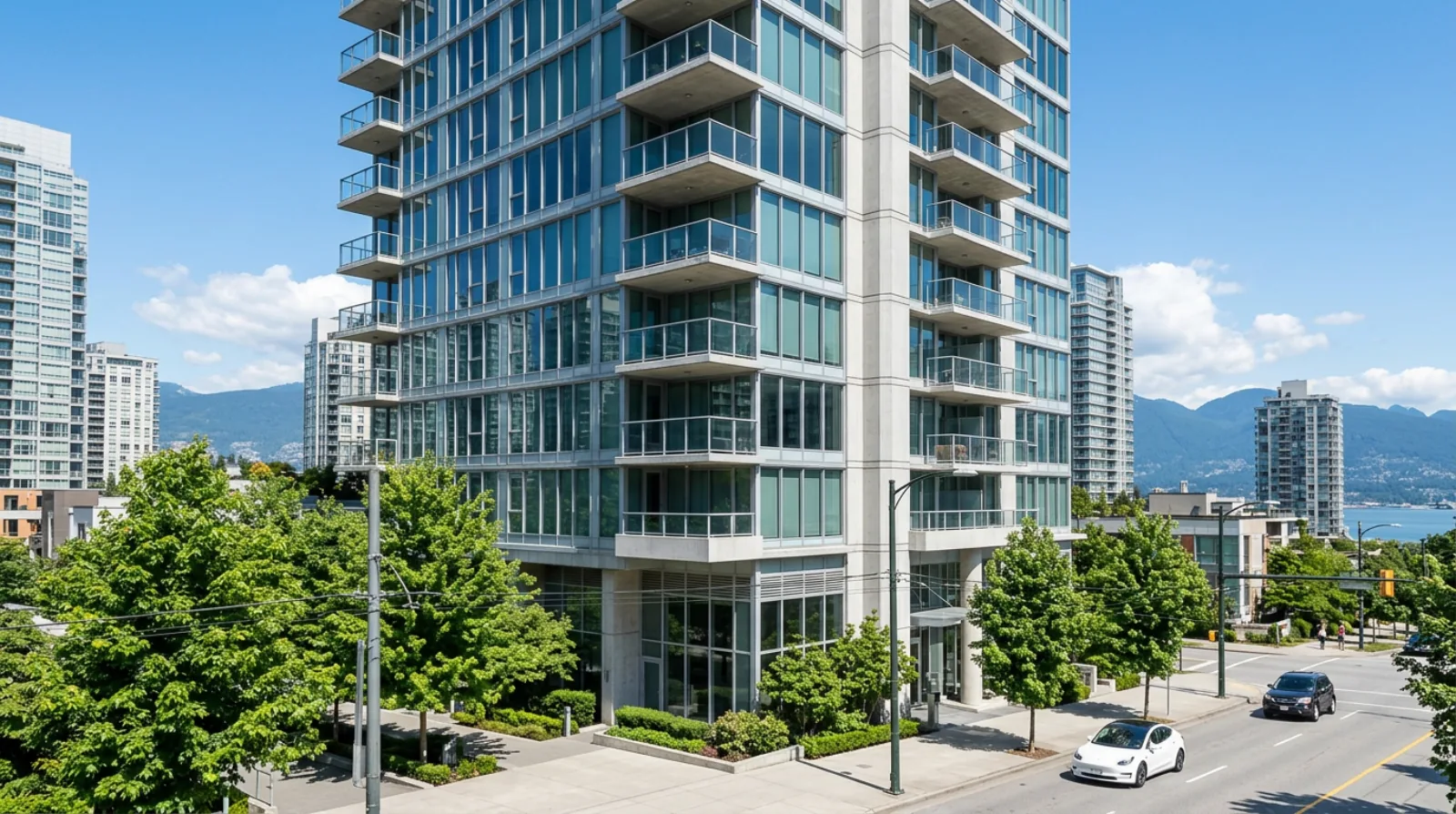
A spreadsheet landed on my desk last month. One bedroom in Burnaby, bought with a twenty percent down payment, run on Airbnb for seven months of the year. The numbers looked good.
They do not work anymore in most of Metro Vancouver, and the reason is that three separate systems have to say yes before a short-term rental is legal. The province. The city. The strata, if the home is in a strata.
If you are shopping for a property with vacation-rental income in your underwriting, the layer most people miss is the strata. The layer most people underestimate is the province. Both have tightened in the last three years, and the gap between "the home is for sale" and "this home can be Airbnb'd" is now wider than it has ever been.
Layer one: the province
The Short-Term Rental Accommodations Act took effect on May 1, 2024, and with it the provincial principal residence requirement. The rule applies in every BC community with a population over 10,000 and in some smaller opt-in communities on top. That captures every city in Metro Vancouver, the Fraser Valley, the Capital Regional District and most of the island.
The rule has one sentence that does the work. A short-term rental must be the host's principal residence, which the province defines as the usual place where the host makes their home day-to-day.
That sentence removes the entire investment-property model from the regulated communities. A second condo held as a short-term rental for its income does not qualify. A detached house kept empty and rented on Airbnb when the owners are elsewhere does not qualify. A furnished rental marketed to travellers does not qualify.
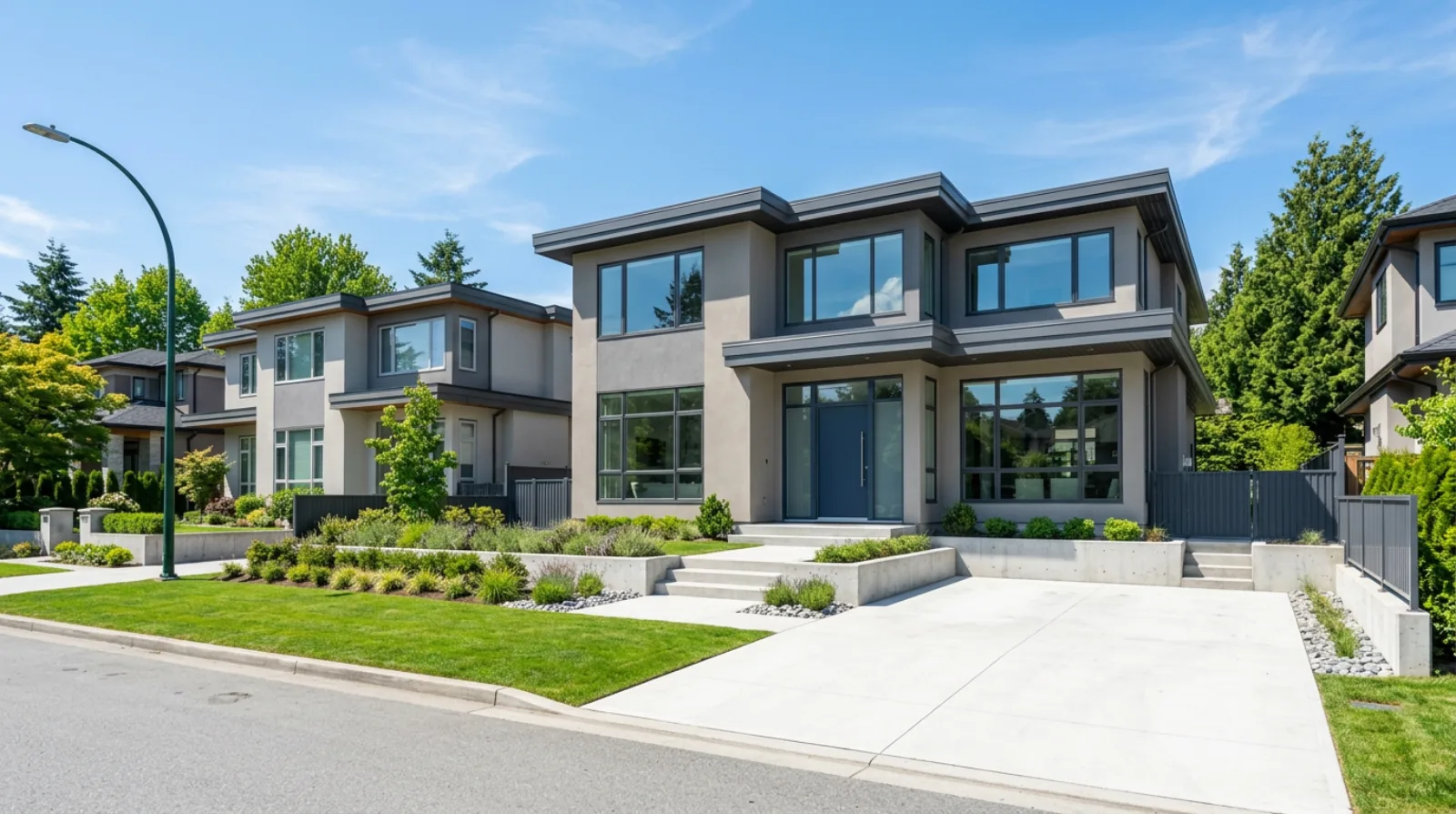
What the rule does allow is the principal residence itself, plus one secondary suite or accessory dwelling unit on the same property. A detached home in Coquitlam with a legal basement suite can rent the suite short-term while the owner lives upstairs. A duplex half, a coach house in the yard or a laneway home behind the main house can each be used, as long as the main home is the owner's day-to-day residence.
The Act defines a short-term rental as accommodation offered for fewer than 90 consecutive nights. Anything above that line is a long-term tenancy under the Residential Tenancy Act, which is a different regulatory system with different rules on notice, rent increases and the Residential Tenancy Branch.
A provincial registry sits behind the rule. Hosts must register and get a registration number before listing, and platforms such as Airbnb and VRBO are required to collect that number and remove listings that do not comply. The platform accountability provisions went live in 2024 and have cut the number of unregistered listings in Metro Vancouver sharply.
Penalties bite. The province can fine a host up to $3,000 per infraction per day, and a platform up to $10,000 per listing per day for carrying non-compliant listings. Cities apply their own bylaw fines on top.
Layer two: the city
Every Metro Vancouver city requires a short-term rental business licence separate from the provincial registration. The licence is the mechanism the city uses to verify compliance with the provincial rule, confirm the property is zoned correctly, and attach safety conditions such as smoke alarms, insurance and emergency procedures.
Vancouver was the first city in the region to licence short-term rentals, back in 2018, and the licence it issues verifies the applicant's identity and principal residence against municipal records. Burnaby, Richmond and Surrey followed. Coquitlam, Port Coquitlam and New Westminster brought their own licence regimes online more recently. Fees, renewal cycles and specific conditions vary by city.
The zoning side is where buyers sometimes get caught. Short-term rental is treated by most Metro Vancouver cities as a home-based business, which restricts it to residential zones where that use is permitted. Some zones allow it without conditions. Others require a secondary suite. A few, usually in commercial or mixed-use areas, disallow it.
Before relying on short-term rental income from a property in Coquitlam, Port Coquitlam or any other Metro Vancouver city, pull the licence bylaw, read the zoning bylaw for the parcel's zone, and call the city's business licence desk with the address. All three steps take under an hour and save the surprise after closing. The Coquitlam vs Port Coquitlam housing article explains the broader zoning map in both cities, and the short-term rental rules sit on top of that zoning.
Layer three: the strata
The strata layer is where most condo deals come unstuck.
British Columbia ran a major change to strata rental bylaws through Bill 44 in November 2022. The change removed rental restriction bylaws for long-term tenancies province-wide. It also removed most age-restriction bylaws, leaving only a 55-and-over minimum with required exemptions.
Bill 44 did not touch short-term rentals.
A strata is still permitted to ban or restrict short-term accommodation by registered bylaw, and the Strata Property Act specifically preserves that authority. Most strata bylaws written in the last five years include a short-term rental restriction, and many pre-existing strata corporations have added one since Bill 44 came in.
The binding version of the bylaw is the one registered at the Land Title Office. A buyer reaches it through two documents. The Form B Information Certificate lists the current bylaws and their registration date. The strata document package contains the bylaws themselves, usually as a set of amendments layered on the Standard Bylaws from the Act.
Three patterns are common. A hard ban on any rental of less than thirty days. A tiered rule that permits rentals of at least a month but prohibits anything shorter. A silent bylaw set that reverts to the Standard Bylaws, which do not themselves prohibit short-term rentals, so the provincial and municipal rules then decide.
The strata bylaws, rentals and pets article walks through the Form B and how to read the registered bylaw package.
The three layers together
For a short-term rental to be legal, all three layers have to permit it for the specific property and the specific host.
A detached house in Coquitlam with a legal basement suite, owner-occupied upstairs, licensed with the city, registered with the province, with no strata because it is not a strata property: legal, operating as the principal residence with the suite rented short-term.
A one-bedroom condo in Burnaby, rented out by an owner who lives in Richmond, with a strata bylaw silent on short-term rentals: not legal, because the principal residence requirement fails the first test, no matter what the strata or the city permits.
A condo in New Westminster owned and occupied by a resident who travels three months a year, in a building whose strata bylaws permit short-term rentals of at least seven days, with a city business licence: legal, if the host registers with the province and operates only as the principal residence.
What a buyer should actually do
If short-term rental income is part of the reason you are buying, the due diligence happens before the subject removal, not after.
Before you write the offer, read the strata's Form B Information Certificate and the registered bylaws. If the bylaws include a short-term rental restriction, the deal does not work for your underwriting and you can move on.
In the subject removal window, apply to the city for a provisional answer on the business licence for the specific address. Most cities will confirm whether the zone and address qualify before issuing the licence.
Also in the subject window, verify that the property can be the host's principal residence. A buyer with a day job in Toronto who plans to stay one week a quarter does not meet the test, and the province's registry audits principal residence against driver's licence, voter registration, tax filing and utility addresses.
A conveyancing lawyer or notary can advise on whether your facts fit the rule for the specific property, and should see the Form B before the subjects come off.
The frame to keep in mind
The regulatory picture in Metro Vancouver now lines up with the policy aim the province stated in 2023. A short-term rental in a city over 10,000 people is a residential use of the owner's own home. An investment property held for vacation-rental income is no longer permitted in those cities, and the platform accountability rules make it harder to operate one quietly.
A buyer can still build a solid investment in Metro Vancouver. A long-term rental covered by the Residential Tenancy Act is subject to a different set of rules, including the provincial rent increase cap and the rules on notice. The strata bylaws article covers the long-term rental side.
Where buyers go wrong is building a plan around a short-term rental in a strata or a second property, without having read the three layers first. The three documents you need are the Form B, the city zoning bylaw for the parcel and the provincial principal residence page. An hour with all three will tell you whether the plan works before you sign anything.
Frequently asked questions
Does the BC principal residence rule apply in Coquitlam and Port Coquitlam?
Yes. Both cities have populations over ten thousand, so the provincial principal residence requirement applies without an opt-in. A short-term rental in either city must be the host's principal residence, which the province defines as the usual place the host makes their home day-to-day. One secondary suite or accessory dwelling unit on the same property can also be rented short-term.
What counts as a short-term rental under provincial law?
The Short-Term Rental Accommodations Act applies to accommodations offered for fewer than ninety consecutive nights where the host is paid. A thirty-day Airbnb stay, a weekly furnished rental and a weekend stay are all short-term rentals. A tenancy of ninety-one days or more falls under the Residential Tenancy Act instead. A hotel, motel, strata guest suite, farm stay and student housing operated by a post-secondary institution are excluded by the Act's own definitions.
What does a secondary suite rule allow a host to do?
A host can rent a legal secondary suite or an accessory dwelling unit on the same property as their principal residence, in addition to spare rooms in the main home. A detached house with a basement suite can rent that suite on Airbnb while the family lives upstairs. A property with a coach house in the yard can rent the coach house. The second unit has to be on the same titled parcel as the principal residence to count.
Do I need a business licence from the city?
Yes, in every Metro Vancouver city. Vancouver, Burnaby, Richmond, Surrey, North Vancouver, Coquitlam, Port Coquitlam, New Westminster and Maple Ridge all require a short-term rental business licence separate from the provincial registry. Fees and renewal cycles vary. The city uses the licence to verify the principal residence, confirm zoning compliance and attach safety conditions such as smoke alarms and insurance.
Can a strata still ban short-term rentals?
Yes. The province loosened long-term rental restriction bylaws through Bill 44 in November 2022, but that change did not touch short-term rentals. A strata can still ban or limit short-term accommodation by bylaw, and most newer bylaw packages do. The binding bylaw is the one registered at the Land Title Office, which a buyer reaches through the Form B Information Certificate and the strata document package.
I already own a condo. Can I still Airbnb it like I used to?
Not unless three things line up. The strata bylaws permit short-term rentals. The city has issued you a short-term rental business licence for that address. The condo is your principal residence. If you own the condo as a secondary property, the principal residence rule shuts the use down even when the strata and the city allow it. Many owners in Vancouver and Burnaby stopped operating in 2024 for this reason.
What are the penalties for running an illegal short-term rental?
The province can fine a host up to three thousand dollars per infraction per day under the Short-Term Rental Accommodations Act, and a platform up to ten thousand per listing per day for carrying non-compliant listings. Cities apply their own bylaw fines on top of the provincial penalty. Platforms such as Airbnb and VRBO are now required to collect the provincial registration number before publishing a listing, which has reduced the number of underground rentals markedly since the registry went live.
Does Coquitlam have its own zoning rule on short-term rentals?
Yes. The City of Coquitlam's Zoning Bylaw treats a short-term rental as a home-based business, which restricts it to a principal residence in most residential zones and requires the owner to live on the property. A business licence is required and it is renewed annually. The rules for single-family lots and for multiplex, duplex and secondary suite properties differ, and the zoning bylaw page on the city's website is the authoritative source.
If I am buying a condo to live in and want to rent it short-term when I travel, is that allowed?
Possibly. You satisfy the provincial principal residence rule because the condo is your home. You still need the city's short-term rental business licence and the strata has to allow it in its bylaws. If the strata's short-term rental bylaw is a hard ban, the city licence alone is not enough. Read the bylaws line by line in the Form B and strata document package before you rely on travel income in your underwriting.
Sources
- Province of British Columbia, Short-term rental principal residence requirement (accessed November 25, 2026)
- Province of British Columbia, Short-Term Rental Accommodations Act, SBC 2023, c. 46 (accessed November 25, 2026)
- City of Vancouver, Short-term rental business licence (accessed November 25, 2026)
- City of Coquitlam, Business Licences (accessed November 25, 2026)
- Strata Property Act, RSBC 1998, c. 43 (accessed November 25, 2026)