
Buying a Tenanted Home in BC: The Three Month Notice and What It Means for Your Move-In Date
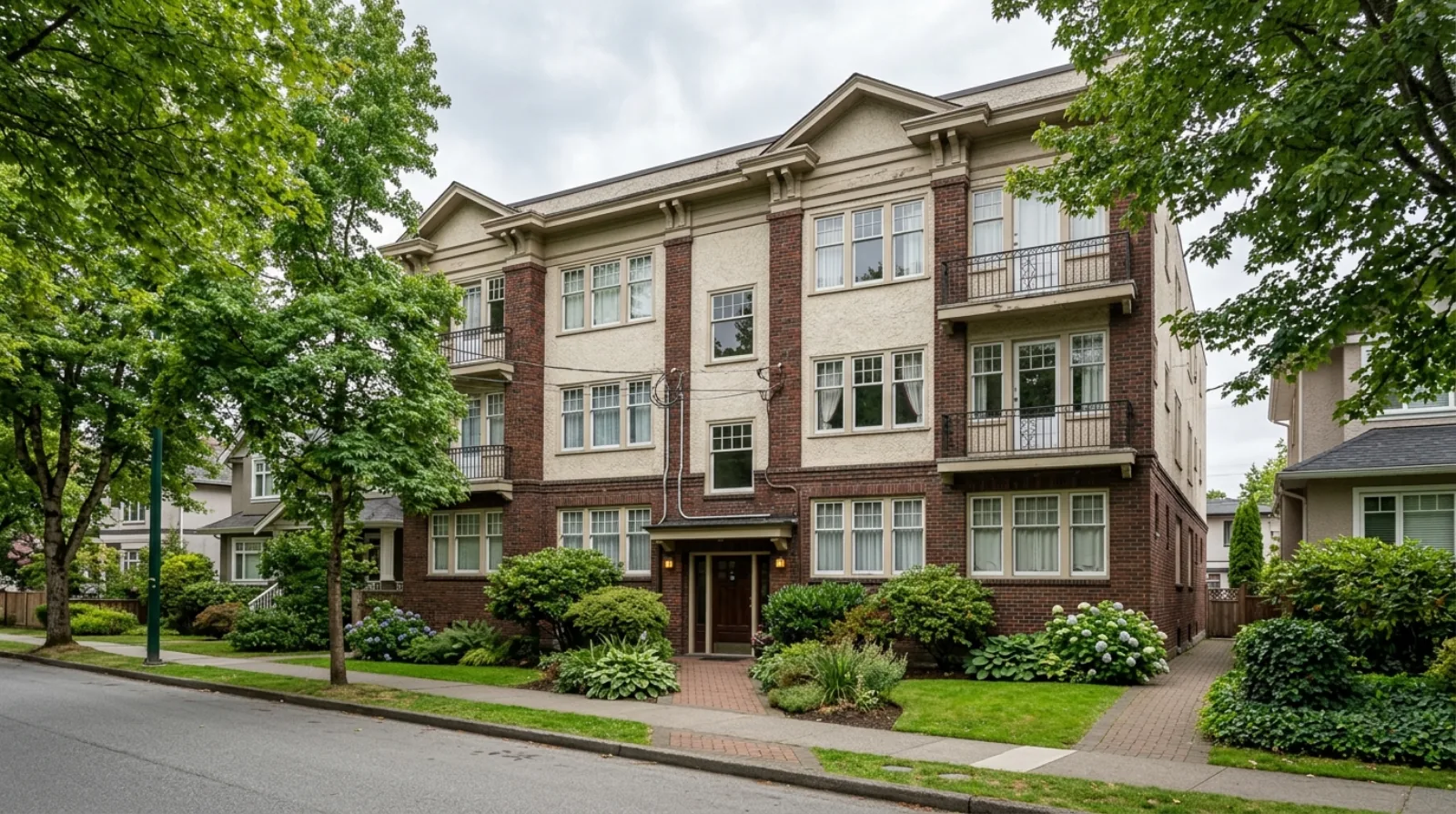
A tenanted property looks like an opportunity. The rent covers part of the carrying cost, the price is sometimes softer because the pool of buyers is smaller, and the unit is already earning.
Then you plan to move in yourself, and the timeline becomes the whole story.
The sequence
If you are buying a BC residential property with a tenant in it and you intend to occupy it:
- You ask the seller, in writing, to end the tenancy for purchaser use.
- The seller, who is still the landlord until completion, gives the tenant a three month notice on form RTB-32P.
- The tenant is owed compensation equal to one month's rent, payable by the effective date of the notice.
- The tenant has 21 days from receiving the notice to apply for dispute resolution.
- If the tenant disputes, the tenancy continues until the Residential Tenancy Branch decides.
Every one of those five steps sits between you and your keys.
Three months for purchaser use, four for demolition
Purchaser use and landlord use are three month notices, on forms RTB-32P and RTB-32L.
The four month notice covers demolition, renovation or conversion, on form RTB-29. Serve that form for a purchaser use eviction and the notice is unenforceable, so the clock you believed was running never started.
The form has to come from the portal
The province is direct about this: notices must be generated through the Residential Tenancy Branch web portal, and if a notice other than a generated RTB form 32P or 32L is used, it is legally unenforceable.
A letter from the seller does not end a tenancy. An old PDF downloaded years ago does not end a tenancy. A generated notice carries a Notice ID, the effective date, the stated reason and the landlord's signature, and those are the components that make it stand up.
Ask to see the generated notice with its Notice ID. Do not accept a description of one.
Do the arithmetic before you set a completion date
This is where purchases go wrong.
The notice usually goes out after subjects are removed, because a seller will not serve a notice on a deal that might collapse. Count from there:
- Three months for the notice itself.
- Plus the 21-day dispute window, which runs inside those three months but can extend everything if the tenant applies.
- Plus the hearing and decision if they do.
A purchase completing three months after subject removal, where you intend to move in on completion, does not have room in it. Four months is tight. The sequence needs to be discussed with your conveyancer before you commit to a completion date, rather than discovered afterwards.
You have to actually move in
The purchaser must intend in good faith to use the unit as living accommodation or as part of their living space.
If the unit is not used for the stated purpose within a reasonable period, the landlord may owe the evicted tenant compensation. The rule exists to stop vacant possession being used as a route to a higher rent, and the Residential Tenancy Branch does order that compensation.
Do not request a purchaser use notice for a property you intend to re-rent.
If you are keeping the tenant
No notice is needed. The tenancy continues with you as the new landlord, on exactly the terms already in place. You inherit the tenancy agreement as written, including the current rent.
Two consequences follow:
You cannot reset the rent on closing. Rent increases follow the annual limits that apply to every BC landlord, on the schedule the Act allows. Buying the building changes nothing about that.
The in-place rent is a number to verify. If it sits well below market, that gap is part of what you are buying, and it should be in the price. Ask for the signed tenancy agreement, the rent ledger, and the date and amount of the last increase. A summary the seller typed up carries none of the same weight, so ask for the signed documents.
For anyone weighing the holding cost of a rental, this belongs alongside the speculation and vacancy tax, where a tenanted property may claim an exemption that a vacant one cannot.
What your offer should say
A clause that says "vacant possession on completion" and stops there is the one that fails, because it does not say how vacant possession gets produced.
Cover, specifically:
- Whether you are buying with vacant possession or with the tenancy continuing.
- Who requests the notice, and by what date it must be served.
- Who pays the one month of compensation.
- What happens to the completion date if the tenant disputes.
- Evidence you will receive: the generated notice with its Notice ID, and the tenancy agreement.
That last one matters. Ask for a copy of the notice itself, with its Notice ID visible on it.
What this comes down to
- Purchaser use is a three month notice on form RTB-32P. The four month notice is for demolition or renovation.
- The notice must be generated through the RTB web portal, or it is unenforceable.
- The tenant is owed one month's rent in compensation.
- The tenant has 21 days to apply for dispute resolution, and the tenancy continues until that is decided.
- You must genuinely intend to occupy the unit.
- Keeping the tenant means inheriting the tenancy and its rent unchanged.
- Contact our team before writing an offer on a tenanted home, or browse listings.
Plan your next step
Read the home-buying guide to sequence your subject conditions, and house viewing for how to approach a property where somebody else is living while you look at it.
Frequently asked questions
How much notice does a tenant get when the buyer wants to move in?
Three months. The seller, who is still the landlord until completion, gives the tenant a three month notice to end tenancy on form RTB-32P for purchaser use. The notice is given by the seller at the buyer's written request, and the three months run from the notice rather than from your completion date.
Does the tenant get paid anything?
Yes. The landlord must compensate the tenant an amount equal to one month's rent, payable by the effective date of the notice. In practice this is either paid to the tenant directly or handled by not charging rent for the final month. Work out in your contract of purchase and sale who bears this cost, because it is real money.
Can the tenant fight the notice?
Yes. A tenant has 21 days after receiving a three month notice to apply for dispute resolution with the Residential Tenancy Branch. If they apply, the tenancy continues until the matter is decided. That hearing and its outcome sit between you and your possession date, and you cannot control the timeline once an application is filed.
Does the notice have to be a particular form?
Yes, and this is where transactions go wrong. Notices must be generated through the Residential Tenancy Branch web portal. The province states that if a notice to end tenancy other than a generated RTB form 32P or 32L is used, it is legally unenforceable. A handwritten letter or an old PDF form does not end the tenancy.
Do I actually have to move in?
Yes. The purchaser must intend in good faith to use the rental unit as living accommodation or as part of their living space. If the unit is not used for the stated purpose within a reasonable period, the landlord may owe the evicted tenant compensation. Buying vacant possession and then re-renting at a higher rent is what this rule exists to prevent.
What if I am buying as an investment and keeping the tenant?
Then no notice is needed and the tenancy simply continues with you as the new landlord. You inherit the existing tenancy agreement exactly as written, including the current rent. You cannot reset the rent to market on closing, which is why the in-place rent is a number to verify before you write the offer.
Can I raise the rent after I buy?
Only within the annual limits that apply to any landlord in BC, and only on the schedule the Act allows. Buying the building does not create a new tenancy or reset anything. If the in-place rent is well under market, that gap is a feature of the property you are buying and it should be reflected in the price you pay.
What should my offer say about the tenant?
Be specific rather than general. State whether you are buying with vacant possession or with the tenancy continuing, who requests the notice and when, who pays the one month compensation, and what happens to your completion date if the tenant disputes. A clause that says vacant possession on completion without addressing the notice timeline is a clause that can fail.
How early should the notice go out?
Count backwards from your intended possession date by three months, then add time for a possible dispute. Because the notice comes after subjects are removed in most transactions, a purchase completing in under four months from subject removal is tight. Discuss the sequence with your conveyancer before you set a completion date.
Is this the same as a four month notice?
No. The four month notice applies to demolition, renovation or conversion under form RTB-29, which is a different reason with different rules. Purchaser use and landlord use are three month notices on forms RTB-32P and RTB-32L. Using the wrong form for the wrong reason produces an unenforceable notice.