
How Presale Deposit Schedules Work in BC
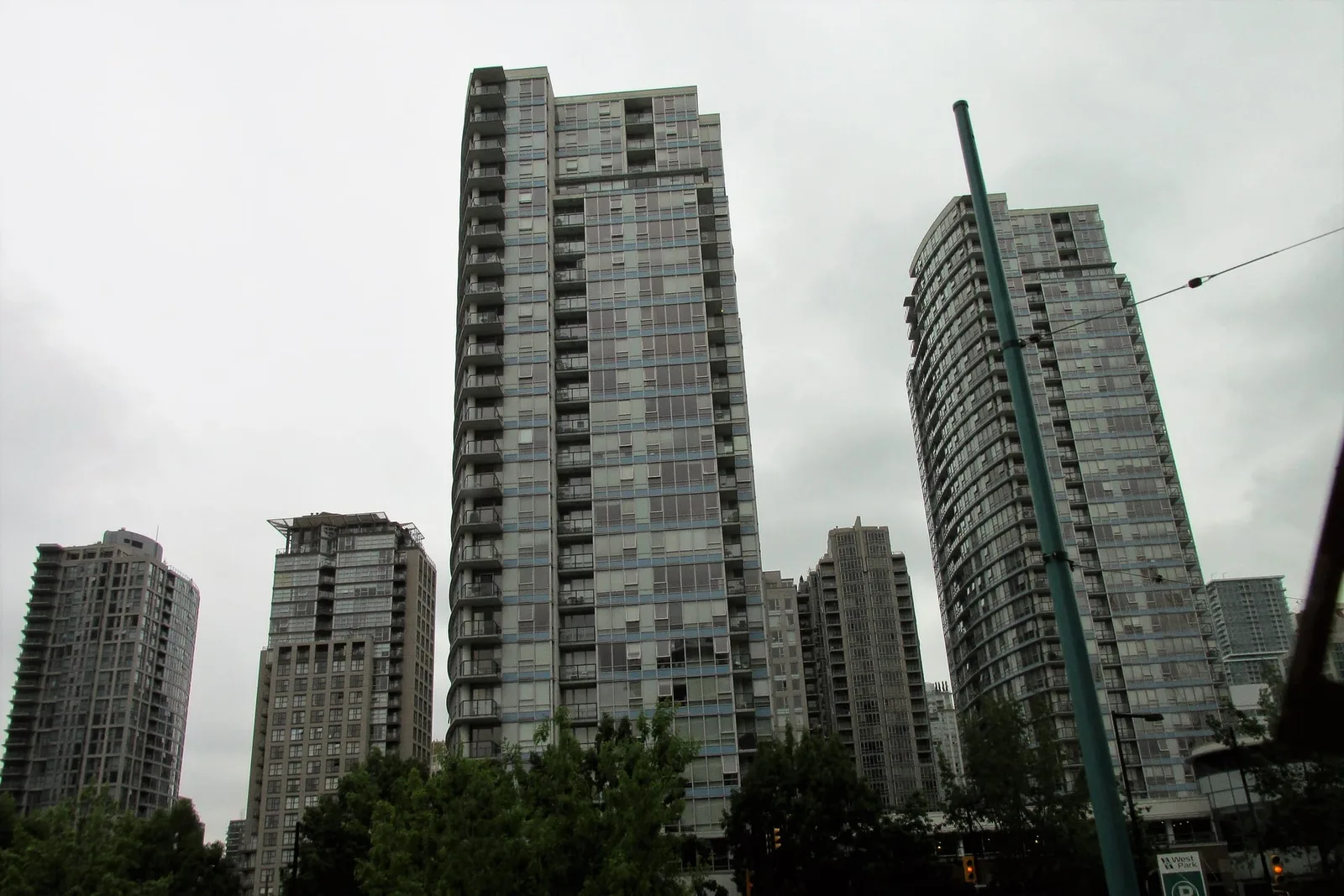
Presale buying means paying real money, often a substantial deposit , toward a home that doesn't exist yet. That naturally raises the question every presale buyer eventually asks: where does that money actually go, and what happens to it if something goes wrong? BC has specific legal protections built around exactly this question. Here's how they work.
This is general information, not legal advice. Presale purchase agreements vary by developer and project, have a real estate lawyer review your specific contract's deposit, rescission, and default provisions before you sign.
What a typical deposit schedule looks like
There's no single standard deposit structure in BC, but a common pattern for Metro Vancouver presale condos is a total deposit of roughly 15% to 25% of the purchase price, paid across two to four installments rather than all at once. A typical structure might include an initial deposit at signing, a second installment shortly after your rescission period ends, and one or more further installments tied to construction milestones or specific calendar dates.
That said, the exact numbers move with the market and the specific project, hot launches with strong buyer demand sometimes ask for less upfront to move units quickly, while projects targeting investors or non-resident buyers, or launching into a softer market, sometimes require more. Your specific deposit schedule is set out in your purchase agreement, and it's worth reading closely rather than assuming it matches what a friend paid on a different project.
Where your deposit actually goes
This is the part BC law is specific about. Under the Real Estate Development Marketing Act (REDMA), a developer who receives a deposit must promptly place it with a brokerage, lawyer, notary public, or other prescribed trustee, who holds it as trustee in a trust account at a savings institution in BC, kept separate from the developer's own operating funds. Per BCFSA, the trustee holds the deposit for both the purchaser and the developer, not as either party's agent, and generally can't release it except under specific circumstances defined in the Act, for example, to the purchaser during the rescission period, or with both parties' written consent.
A developer isn't automatically shut out of that money during construction, though. If they've obtained an approved deposit protection contract, a form of insurance, and given purchasers proper notice of it, the trustee can release deposit funds to the developer for their own use. That's a detail worth asking about on a specific project, since it changes who's actually holding your money mid-construction.
The 7-day rescission period
BC law gives presale purchasers a mandatory 7-day rescission period after signing the contract (or after receiving the project's disclosure statement, whichever is later) to cancel the agreement entirely and receive a full refund of their deposit, no reason required. It's a genuine cooling-off window, and it's the reason a common deposit structure includes an installment due only after that period has passed.
If a project doesn't complete
This is the scenario every presale buyer worries about, and it's also where REDMA's trust requirements matter most. Because deposits are held separately from a developer's own assets, they're generally not treated as part of the developer's estate if the developer becomes insolvent, they're returned to purchasers rather than absorbed into a bankruptcy proceeding. If a receiver, liquidator, or trustee-in-bankruptcy is appointed over a project, the developer is generally required to file a new disclosure statement, and that in turn can trigger purchasers' rights to rescind their contracts and have their deposits returned.
None of this means every dollar is guaranteed to come back in every possible scenario, the details depend on exactly how your deposit was held, whether a deposit protection contract was in place, and the specific circumstances of the project's failure. It's exactly the kind of detail a real estate lawyer should walk you through before you sign a presale contract, not after something has already gone wrong.
What this comes down to
- Presale deposits in BC commonly total 15% to 25% of the purchase price, paid across a handful of installments rather than upfront.
- REDMA requires deposits to sit in a trust account with a brokerage, lawyer, notary, or other prescribed trustee, separate from the developer's own funds.
- A mandatory 7-day rescission period lets you cancel and get a full refund shortly after signing.
- If a project fails to complete, trust protections generally keep deposits out of a developer's bankruptcy estate and support their return to purchasers, though the specifics depend on your contract.
- Considering a presale purchase? Contact our team to talk through a specific project's deposit terms, or browse current listings to see what's available now.
Plan your next step
Use the home-buying guide to organise your search. Prepare your property questions, check the actual neighbourhood routes, and keep evidence separate from preferences when comparing homes.
Frequently asked questions
How much is a typical presale deposit in BC?
It varies by project and market conditions, but presale condo deposits in BC commonly total 15-25% of the purchase price, paid across two to four installments rather than all at once. Hot launches with strong demand sometimes require less upfront, while projects targeting non-resident buyers or weaker presale momentum sometimes require more.
When are presale deposit installments typically due?
A common structure includes an initial deposit when you sign the contract, a second installment shortly after your rescission period ends, and one or more additional installments tied to construction milestones or set calendar dates specified in your contract. The exact schedule is set out in your specific purchase agreement, read it carefully, since it varies by developer and project.
Where does my deposit actually go after I pay it?
Under BC's Real Estate Development Marketing Act (REDMA), a developer who receives a deposit must promptly place it with a brokerage, lawyer, notary public, or other prescribed trustee, who holds it in a trust account at a savings institution in BC, separate from the developer's own operating funds.
Can the developer use my deposit money during construction?
Generally not directly. The trustee holds the deposit for both the purchaser and the developer, not as either party's agent, and can only release it under specific circumstances set out in REDMA. A developer may access deposit funds for their own purposes only if they've first obtained an approved deposit protection contract (a form of insurance) and given purchasers notice of it.
What is the 7-day rescission period?
It's a mandatory cooling-off period under BC law that gives a presale purchaser seven days after signing the contract (or after receiving the disclosure statement, if later) to cancel the agreement and receive a full refund of their deposit, no reason required.
What happens to my deposit if the developer goes bankrupt or the project doesn't complete?
Because deposits are held in trust separately from the developer's own funds, they're generally not considered part of the developer's assets in a bankruptcy or receivership, and are returned to purchasers. If a receiver, liquidator, or trustee-in-bankruptcy is appointed, the developer is generally required to file a new disclosure statement, which can trigger purchasers' rights to rescind their contracts and have deposits returned.
Is my deposit 100% guaranteed no matter what happens?
The trust and disclosure requirements under REDMA are strong buyer protections, but they're not an absolute guarantee in every scenario, the specifics depend on how your deposit was held, whether a deposit protection contract was in place, and the exact circumstances of a project's failure. Have a real estate lawyer review your specific presale contract's deposit and default provisions before signing.
Does REDMA apply to every presale purchase in BC?
REDMA generally applies to developments being marketed to purchasers before completion, such as presale condos, and covers requirements around disclosure statements and deposit handling. Some smaller developments have different requirements, for example, questions have been raised about how REDMA's protections apply to certain small-scale fourplex and multiplex presales, so it's worth confirming with your lawyer how the rules apply to your specific project type.
Who should I ask if I have questions about how my specific deposit is being held?
Your real estate lawyer or notary handling the purchase is the right person to confirm exactly how your deposit is held, what trust account it sits in, and what your contract says about release conditions and default scenarios, before you sign or pay any installment.
Can I negotiate the deposit schedule on a presale?
Sometimes, particularly in a slower market or on projects with softer demand, developers have adjusted deposit structures during quieter presale periods. It's worth asking, but don't assume flexibility exists; confirm what's actually negotiable on a specific project with the developer or your realtor.
Is this article legal advice?
No. This is general information about how presale deposit protections typically work in BC, not legal advice for your specific contract. Presale purchase agreements vary by developer and project, have a real estate lawyer review your specific contract's deposit, rescission, and default terms before you sign.