
Richmond Multiplex & Townhome Buyer's Guide
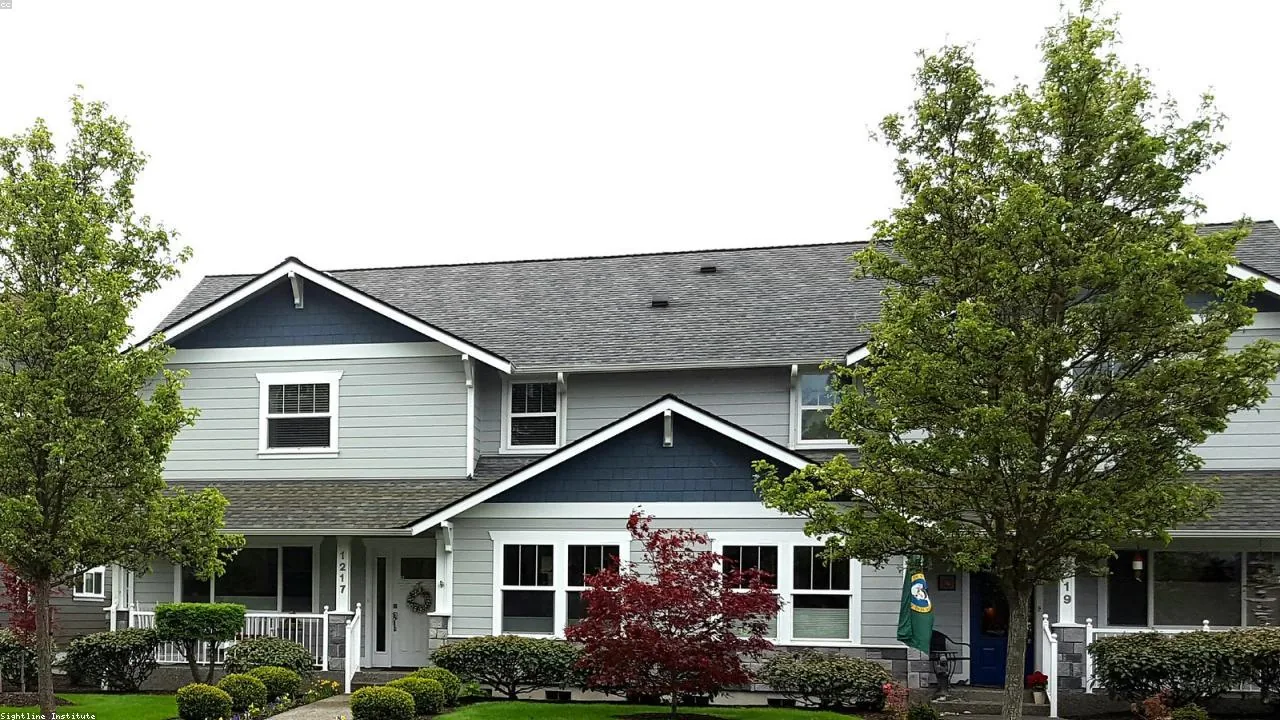
Richmond has quietly become one of the more interesting places in the region to buy a small-scale new-build home. The city rezoned close to 27,000 single-family and duplex lots to allow multiplexes, duplexes, triplexes, fourplexes, and in some cases up to six units, and it sits directly on the Canada Line, which means a growing number of these new homes are a short walk from rapid transit into downtown Vancouver. Here is what a buyer actually needs to know.
What changed: Richmond's new multiplex zoning
In response to provincial legislation (Bill 44) requiring municipalities to allow more housing types on lots that used to permit only a single house or duplex, Richmond created its RSM, Residential Small-Scale Multi-Unit, zone. City council approved the amendments in June 2024, and they now apply across almost 27,000 single-family and duplex lots citywide.
The rules scale with lot size and transit access. A lot of 280 square metres or smaller must allow a minimum of 3 units; a larger lot must allow a minimum of 4; and a larger lot within 400 metres of frequent bus service must allow up to 6 units. In March 2025, the city adopted Bylaw 10631, which increased the maximum building height in the RSM zone from 9 to 10 metres, removed a Development Permit requirement that had been slowing projects down, and improved usable attic space, practical changes that made more projects pencil out for builders.
One meaningful carve-out: Steveston received an extension to December 30, 2030 before the new density rules fully apply there, because the neighbourhood's sewer infrastructure needs upgrading first. If you're specifically shopping for new multiplex construction, expect the bulk of it, for now, outside Steveston.
Separately, and easy to confuse with the multiplex rules, the province's Transit-Oriented Areas legislation applies much larger density requirements right around the five Canada Line stations in Richmond , Bridgeport, Capstan, Aberdeen, Lansdowne, and Brighouse, allowing buildings up to 20 storeys within 200 metres of a station, stepping down to 8 storeys out to 800 metres. That's a different, taller category of housing than the ground-oriented multiplexes most buyers picture; both are reshaping the city at the same time.
What a multiplex or townhome costs in Richmond
According to the July 2026 Richmond housing market data, sourced from Greater Vancouver REALTORS figures, the benchmark price for an attached home (the category covering townhouses and most multiplex units) was $1,035,200, down 7.7% from a year earlier. Detached homes carried a benchmark of $1,911,700 (down 8.0%), and apartments $639,700 (down 10.8%). Overall sales volume across all property types was down 5.8% year-over-year.
That attached-home price sits close to the regional Metro Vancouver attached benchmark, which the Greater Vancouver REALTORS July 2026 report put in a similar range, meaning Richmond, on the whole, isn't commanding a heavy location premium the way some west-side Vancouver neighbourhoods do. You're paying close to the regional going rate, with Canada Line access built in.
The regional sales-to-active-listings ratio was running around 12-14% through the summer of 2026, a level that has generally favoured buyers , more inventory to compare, and more room to negotiate on price and closing terms than the market allowed a few years ago.
Getting around without leaning on a car
Richmond's Canada Line branch, Bridgeport, Aberdeen, Lansdowne, and Richmond-Brighouse stations , opened in August 2009 and runs a direct line into downtown Vancouver and out to YVR. Because much of the city's new RSM zoning applies at higher density within 400 metres of frequent transit, a real share of the new multiplex supply is close to a station or a well-served bus route, not just nominally "near transit" on a map.
Richmond is also flat, which makes it one of the more comfortable Lower Mainland cities to get around by bike. For buyers weighing a multiplex near Bridgeport or Lansdowne against a comparable home further from a station, the transit premium is real: fewer households need two cars when a SkyTrain platform is a five-minute walk away.
Who a Richmond multiplex suits
- Multi-generational families who want separate entrances and living spaces under one address, a common configuration in Richmond's new triplex and fourplex product.
- First-time buyers stepping up from a condo who want more square footage and a private front door without a detached-house budget.
- Downsizers who want a new, lower-maintenance home but don't want to leave Richmond's amenities, schools, and community ties behind.
- Commuters to downtown Vancouver or YVR who want to build their home search around Canada Line access rather than driving distance.
How to shop this market well
Because Richmond's multiplex rollout is still new, not every listed "multiplex" project is equally far along, some are pre-construction with a building permit in hand, others are still working through the process. Before committing, confirm the project's permit status under the current bylaw, ask what the deposit schedule and expected completion date actually are, and have someone review the disclosure statement with you.
The best new multiplex and townhome listings in Richmond tend to move quickly, especially near a Canada Line station. Browse current listings to see what's available now, or reach out to our team and we'll help you track down the right project before it sells out.
What this comes down to
- Richmond rezoned nearly 27,000 lots to allow multiplex housing, 3 to 6 units per lot depending on size and transit proximity, under Bylaw 10631.
- Attached-home prices sat around $1,035,200 in July 2026, down 7.7% year over year and close to the regional benchmark rather than a premium outlier.
- Steveston is exempt from the new density rules until December 30, 2030, due to sewer infrastructure limits, expect new multiplex supply concentrated elsewhere in the city for now.
- The Canada Line's Bridgeport, Aberdeen, Lansdowne, and Brighouse stations put a meaningful share of new multiplex construction within a real walk of rapid transit.
- Regional market conditions through mid-2026 have generally favoured buyers, with more inventory and negotiating room than in recent years.
Plan your next step
Use the home-buying guide to organise your search. Prepare your property questions, check the actual neighbourhood routes, and keep evidence separate from preferences when comparing homes.
Frequently asked questions
What is a multiplex and why are there suddenly more of them in Richmond?
A multiplex is a small building, duplex, triplex, fourplex, or up to six units, with each home individually owned. Richmond created this option by rezoning roughly 27,000 single-family and duplex lots into its new RSM (Residential Small-Scale Multi-Unit) zone, in response to provincial legislation requiring more housing density on lots that used to allow only one or two homes.
How many units can be built on a Richmond lot now?
It depends on lot size and transit proximity. Smaller lots (under about 280 square metres) can hold a minimum of 3 units, larger lots a minimum of 4, and larger lots within 400 metres of frequent bus service can hold up to 6 units. Richmond also increased the maximum building height in its RSM zone from 9 to 10 metres in March 2025.
What does a multiplex or townhome cost in Richmond right now?
As of the July 2026 Greater Vancouver REALTORS data, Richmond's attached-home (townhouse) benchmark price was about $1,035,200, down 7.7% from a year earlier. That's close to the regional attached-home benchmark, so Richmond isn't a premium outlier the way some Vancouver west-side neighbourhoods are, it's a fairly representative Lower Mainland price point with strong transit access attached.
Is now a buyer's or seller's market in Richmond?
Recent data points toward a buyer's market. Prices across all Richmond property types were down about 8% year-over-year as of July 2026, and regionally the sales-to-active-listings ratio has been sitting in the 12-15% range through mid-2026, below the threshold that typically favours sellers. That generally means more choice and more negotiating room for buyers.
Does the Canada Line reach Richmond neighbourhoods with multiplex zoning?
Yes. The Canada Line's Richmond branch, Bridgeport, Aberdeen, Lansdowne, and Richmond-Brighouse stations, opened in August 2009 and runs through the city's densest core. Lots within 400 metres of a frequent transit route (not just SkyTrain) qualify for the higher, 6-unit density tier under the new zoning, so many multiplex sites are walkable to a station.
Are there areas of Richmond exempt from the new multiplex rules?
Yes. Steveston received a compliance extension to December 30, 2030, because the neighbourhood's aging sewer infrastructure needs upgrading before it can support additional density. Buyers looking specifically for new multiplex construction should expect it concentrated outside Steveston in the near term.
Who does a Richmond multiplex actually suit?
It's a strong fit for multi-generational families who want separate front doors under one roof, first-time buyers moving up from a condo who want more space without a detached-house budget, and downsizers who want a brand-new, lower-maintenance home without leaving a familiar neighbourhood. It's also attractive to buyers who prioritize Canada Line access to downtown, Richmond Centre, or the airport.
Is transit-oriented density near Canada Line stations different from the multiplex rules?
Yes, and it's a separate track. Under BC's Transit-Oriented Areas legislation, land within 200 metres of Bridgeport, Capstan, Aberdeen, Lansdowne, or Brighouse stations must allow buildings as tall as 20 storeys, tapering down to 8 storeys out to 800 metres. That's a different, larger-scale form of density than the 3-to-6-unit multiplex zone that applies to most single-family and duplex lots further from a station.
Do I need a car if I buy a multiplex in Richmond?
It depends where. Close to a Canada Line station, many households manage with one car or none, the train reaches downtown Vancouver, YVR, and the rest of the SkyTrain network directly. Further from a station, Richmond's flat geography makes cycling practical, but a car is still the more common choice for daily errands.
How do I find current multiplex and townhome listings in Richmond?
The fastest way is to browse current listings directly, since new multiplex construction across Richmond's rezoned lots is moving quickly and the best units don't always stay listed long. Our team can also set up a search that flags new Richmond multiplex and townhome listings as they hit the market.
What should I check before buying a pre-construction multiplex unit in Richmond?
Confirm the lot's zoning tier and confirm the builder has a valid building permit under the current RSM bylaw (Bylaw 10631), ask about the deposit structure and completion timeline, and have a realtor or lawyer review the disclosure statement. Because these rules are still new, it's worth double-checking that a specific project actually complies with the current bylaw rather than an earlier draft.
Is Richmond cheaper than Vancouver for a multiplex or townhome?
Generally, yes, though the gap has narrowed. Richmond's attached-home benchmark of roughly $1.035 million in July 2026 sits close to the regional average and meaningfully below premium Vancouver neighbourhoods like Mount Pleasant, where recent townhome asking prices centred near $1.45 million.